

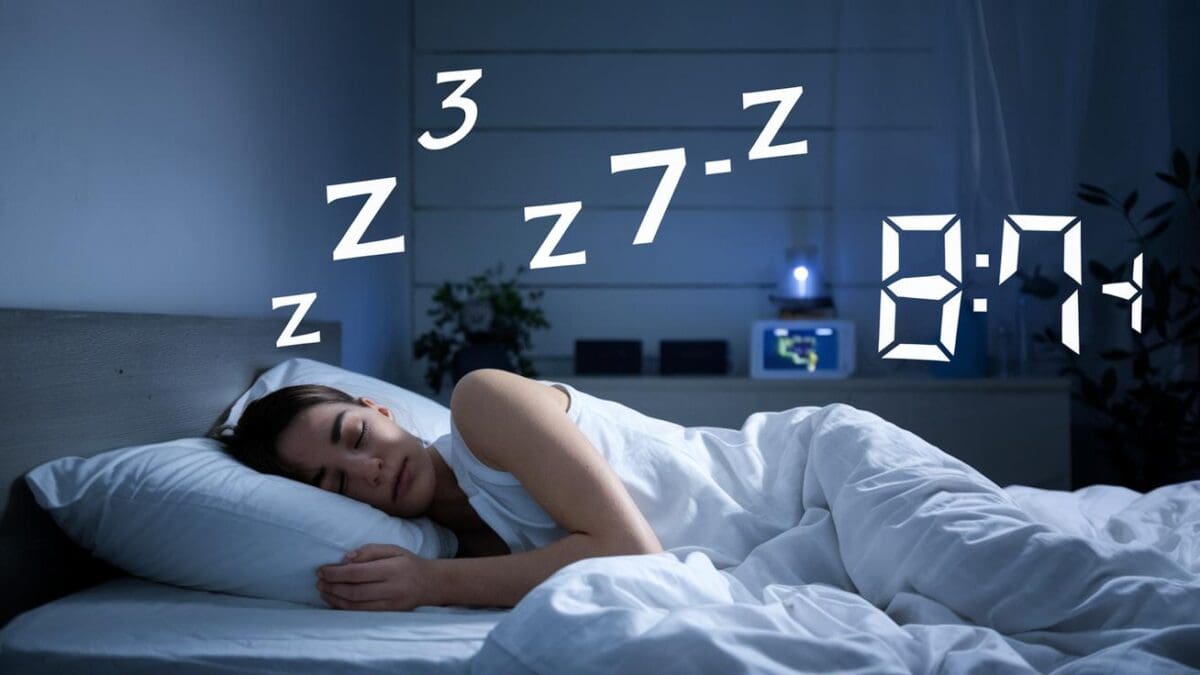
In the realm of competitive sports, where peak performance is necessary, recovery strategies play a crucial role. Among these, sleep — often undervalued — stands out as a fundamental element. Recent discussions among sports recovery experts have spotlighted a unique sleep strategy tailored for athletes during tournament weeks: the 3-7-1 sleep ratio. This approach stipulates three hours of daytime rest, seven hours of nighttime sleep, and one hour of deep relaxation or meditation.
Understanding the 3-7-1 sleep ratio
The 3-7-1 sleep ratio is not just a random set of numbers but a carefully crafted schedule designed to maximize physical and mental recovery. The ‘3’ represents three hours of daytime napping, which is segmented throughout the day to reduce fatigue and enhance alertness. The ‘7’ accounts for the traditional seven hours of nighttime sleep, providing the necessary restorative sleep phases. Lastly, the ‘1’ stands for an hour of quiet relaxation or meditation, aimed at mental recovery and stress alleviation.
Scientific backing and expert opinions
Several studies have supported the effectiveness of the 3-7-1 ratio. Research indicates that this specific pattern helps in reducing the accumulation of sleep debt during prolonged competitions, thereby maintaining a high level of cognitive and physical performance. Experts from sports medicine institutions have observed noticeable improvements in athletes’ performance when this sleep strategy is applied.
Contrasts with conventional sleep guidelines
Traditional sleep recommendations generally advise 7-9 hours of continuous nighttime sleep for adults. The 3-7-1 ratio, specifically designed for athletes, modifies these guidelines to fit the rigorous demands of tournament play. This tailored approach highlights the importance of flexibility in sleep schedules to accommodate the unique needs of professional sports.
Case studies and real-world applications
Adoption of the 3-7-1 sleep ratio has been documented across various sports disciplines. For instance, a well-known soccer team implemented this strategy during a major international tournament, resulting in improved alertness and performance in late-stage games. Similarly, individual athletes in sports like tennis and swimming have also reported enhanced endurance and focus.
Practical advice for implementation
To effectively implement the 3-7-1 sleep ratio, experts suggest starting gradually. Begin by integrating daytime naps into the routine, followed by structured relaxation periods. It’s crucial for athletes to monitor their physical and mental responses to these adjustments, with the guidance of a sports recovery specialist.
For households with young athletes, introducing elements of the 3-7-1 ratio during intense training periods could provide a beneficial structure. It is advised to tailor the specifics of the sleep schedule based on the individual’s needs and responses.
Looking ahead: The future of sleep in sports recovery
As research continues to evolve, the 3-7-1 sleep ratio may see broader applications in various levels of sports, potentially influencing even amateur training regimes. The ongoing study into sleep and recovery will likely bring forth more customized strategies that cater to the diverse needs of athletes across sports.




Does anyone actually find this 3-7-1 sleep ratio realistic for normal people, or is it just for elite athletes? 🤔
I tried this sleep pattern and felt more tired than ever. Maybe it’s not for everyone?
Interesting concept! Can’t wait to try this out during my next marathon training. Thanks for sharing!
How does the 3-7-1 sleep ratio stack up against the traditional 8-hour sleep recommendation? Curious about the science behind it.
Is there any research on the long-term effects of this sleep pattern? Worried it might lead to burnout. 😟
I’ve been doing something similar without knowing it was a “thing”! Glad to see I’m on the right track. 😀
This seems a bit complicated to manage with a regular 9-5 job. Any tips?
Can kids in competitive sports use this method, or is it too intense for them?
Just shared this with my workout group! They’re all eager to try it out. Exciting stuff!
Loved the detailed explanation. Helped me understand why each component is important!
Does the one hour of relaxation include activities like yoga or just pure meditation?
Thanks for this insightful article! Implementing this will be challenging but worth it.👍
Could using this sleep ratio possibly interfere with social life or family time?
Where can I find more case studies on this? Very intrigued by the real-world applications.
Anyone else find the daytime naps part tricky? How do you fit it into a busy schedule?
This sounds great in theory but applying it practically seems daunting. 😕
So if I get this right, it’s 3 hours nap, 7 hours sleep, and 1 hour meditation daily? Got to plan my day around this!
How do athletes manage this during travel for tournaments? Seems challenging with time zone changes.
I wonder if this method helps with mental health, not just physical recovery?
Thanks for the breakdown! Trying this out next week. 🌟
Seems a bit too regimented for my taste. Do people actually follow this strictly?
Would love to see more about how this affects performance in team vs. individual sports.
Is there a version of this for people who work night shifts? Really curious!
Great article! Anyone know if this is being used in eSports as well?