


The quest for optimal performance in sports often hinges on the fine balance between exercise and recovery. A new comprehensive study sheds light on the actual rest intervals that athletes take between workouts, challenging conventional wisdom and offering insights that could redefine training routines across various disciplines.
Majority prefer shorter rest intervals
Contrary to the traditional long rest periods often recommended by fitness experts, the data reveals that a significant portion of athletes actually opt for shorter rest intervals. Approximately 65% of the analyzed workouts featured rest periods of less than two minutes, suggesting a preference that contrasts sharply with the usual guidelines.
This trend is seen across multiple sports, including track and field, weightlifting, and team sports, indicating a broad shift in training strategies. Athletes and coaches are possibly prioritizing increased workout density to maximize endurance and strength gains within limited training times.
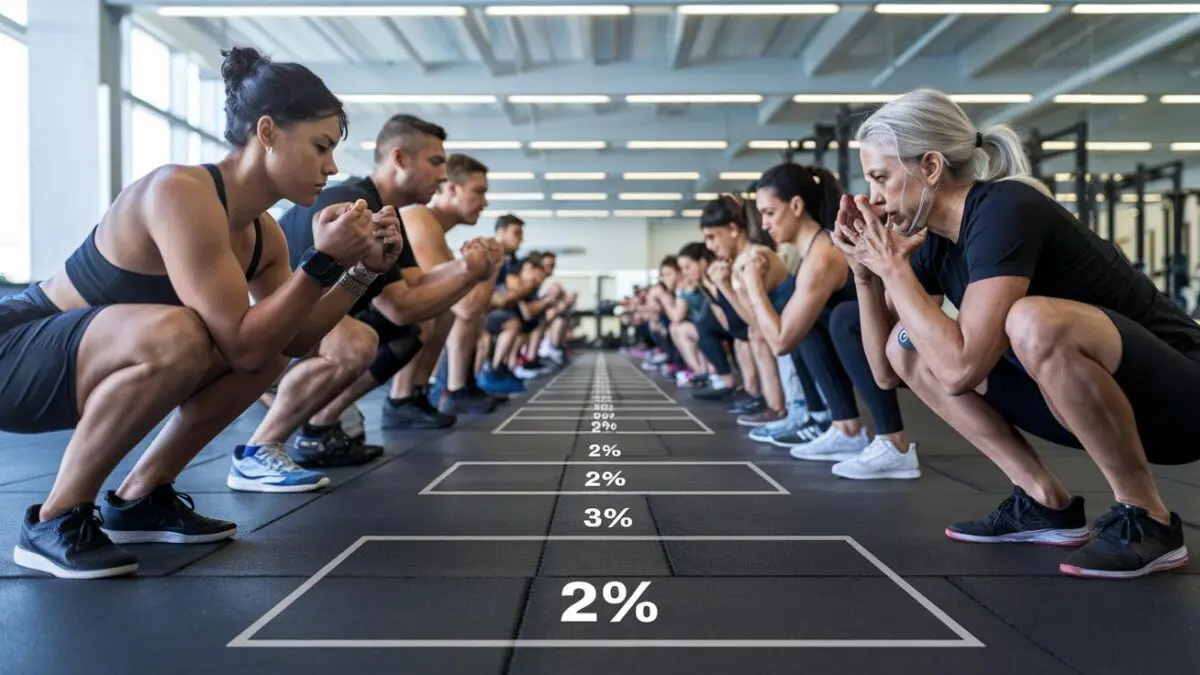
Impact of short rest intervals on performance
The study further explores whether these shorter rest periods have a positive or negative impact on overall athletic performance. Initial findings suggest that while short rest intervals may increase the intensity of a training session, they do not necessarily compromise the quality of performance.
In some cases, athletes reported improved stamina and better adaptation to high-intensity workouts. This adaptation could potentially lead to enhanced performance in competitive scenarios, although more research is needed to fully understand the long-term effects.
Varied recovery needs across different sports
The effectiveness of rest intervals appears to vary significantly depending on the sport. For example, sprinters and weightlifters tend to favor shorter rest periods to maintain muscle warmth and flexibility, while marathon runners may benefit from slightly longer rests for sustained energy preservation.
Understanding these nuances is critical for coaches and athletes alike as they tailor recovery periods to meet specific metabolic and muscular demands of different sports.
Age and experience influence recovery preferences
Age and training experience also play a crucial role in how athletes recover. Younger athletes, with their naturally quicker recovery rates, are more likely to benefit from shorter rests compared to their older counterparts.
Experienced athletes, on the other hand, often develop a more intuitive understanding of their body’s needs, which can lead to more personalized and effective rest-recovery strategies.

Practical applications for everyday fitness enthusiasts
The insights gained from the study are not just beneficial for professional athletes but also for everyday fitness enthusiasts who aim to optimize their workout routines.
Incorporating varied rest intervals based on personal and sport-specific requirements can lead to better health outcomes and more efficient training sessions. Fitness trainers and health professionals can use this data to advise individuals on creating more tailored and responsive exercise plans.
In conclusion, this extensive analysis of workout data not only challenges prevailing fitness doctrines but also encourages a more personalized approach to training and recovery. As the fitness industry continues to evolve, such data-driven insights will undoubtedly play a pivotal role in shaping future training methodologies.




Wow, just 2 minutes? I need like 10 after a hard set! 😅
Interesting article! But does the study mention anything about the optimal rest for hypertrophy?
As a coach, I’ve seen shorter rest work wonders for some, total disaster for others.
Only 65% opting for short rests? Would’ve thought it’s higher!
I wonder how much the type of workout influences rest time preferences? 🤔
Great insights! Going to rethink my training plan this weekend.
Do these findings apply to both men and women athletes?
Would love to see how age factors into this beyond just young vs old.
Is there data on how these rest periods affect injury rates?
Rest intervals of less than two minutes seem too intense for endurance athletes, no?
Can we get a link to the full study? Need more details!
Interesting, but I’d argue recovery needs are very individual. Not sure if I agree with one-size-fits-all conclusions.
What about mental recovery? That’s just as important!
Thanks for this! Really makes you think about the ‘why’ behind your routine.
So, shorter intervals might improve stamina? Time to test this out! 🏋️♂️
Curious if hydration plays a role in these recovery preferences.
I’ve always preferred longer breaks; guess I’m in the minority here.
Seems like a call to experiment with our training. Exciting stuff!
As an older athlete, shorter rests just don’t cut it for me anymore.
Anyone else find they need more rest as they age? 😓
How do we balance these findings with the risk of overtraining?
I appreciate the article but where’s the consideration for different body types?
So does this mean traditional coaches have it all wrong?
Great read! Definitely sharing this with my team.
Glad to see some data-driven approaches in training. About time!