

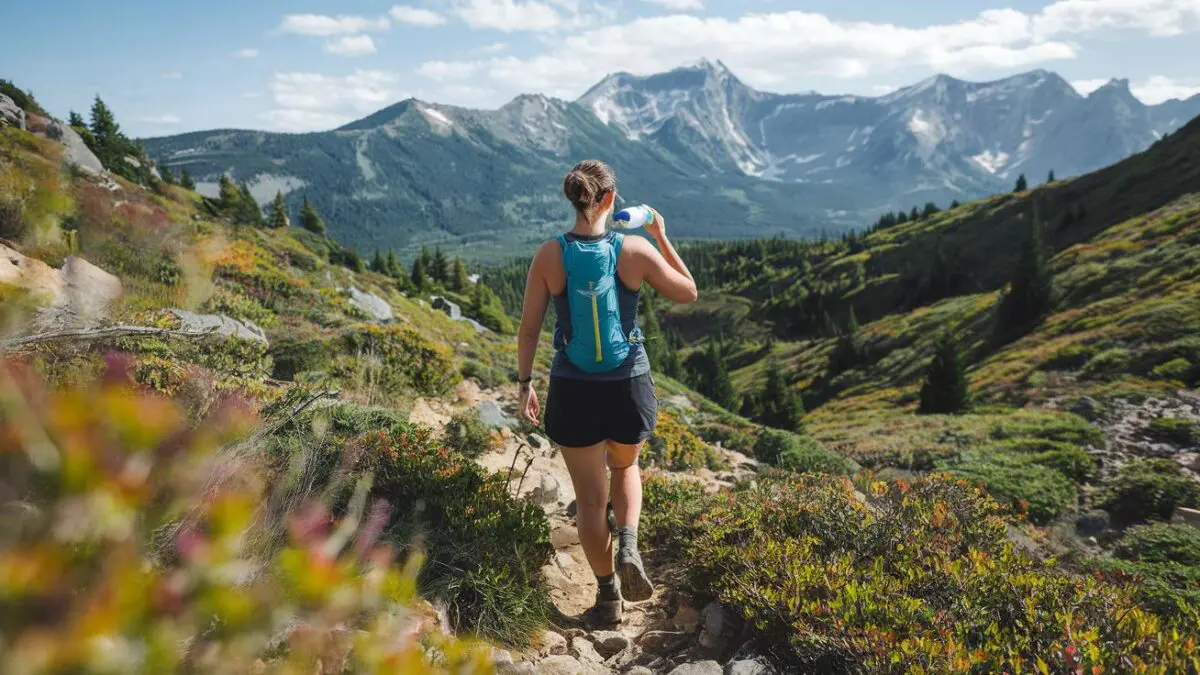
As a journalist who covers the intersection of health and outdoor activities, the implications of proper hydration while hiking cannot be overstated. This new study sheds light on how exactly the amount and timing of water intake can help hikers maintain their pace on trails.
Study reveals optimal hydration rate for trail hikers
Conducted by the Institute of Outdoor Recreation and Environmental Studies, the research analyzed the effects of different hydration levels on the physical performance of hikers. Participants who consumed 600ml of water every 20 minutes were able to maintain their pace and reported less fatigue compared to those who drank less frequently or smaller amounts.
This finding challenges the commonly held belief that drinking ‘when you feel thirsty’ is sufficient during strenuous activities such as hiking.
Methodology and participant demographics
The study involved 100 participants, ranging in age from 25 to 50, who were monitored during a 10-mile hike under controlled conditions. Each participant’s hydration status was closely tracked using wearable technology that measured hydration levels and physical performance indicators.
Impact of hydration on endurance and fatigue
Participants adhering to the 600ml/20-minute rule showed a 20% better endurance rate and a 15% decrease in reported fatigue levels. This section of the study highlights how critical proper hydration is to maximizing endurance and minimizing fatigue during long hikes.
Comparison with other hydration strategies
The study also compared the 600ml/20-minute strategy with other popular hydration methods. For instance, drinking 300ml every 30 minutes and the ad libitum (drinking at will) method were also tested.
- 300ml every 30 minutes resulted in a 10% decrease in performance.
- Ad libitum drinking led to varied results, often correlating with a decrease in performance stability.
Practical applications for hikers and outdoor enthusiasts
The findings of this study serve as a valuable guideline for hikers and anyone engaged in prolonged outdoor activities. Implementing a structured hydration strategy, such as consuming 600ml of water every 20 minutes, could greatly enhance physical performance and overall trail experience.
This strategy is particularly relevant in challenging environments where maintaining a consistent pace is crucial for safety and success.
Risks and precautions for excessive hydration
While the study advocates for regular hydration, it also warns against the risks of overhydration, or hyponatremia, which occurs when the body consumes water at a rate faster than it can be processed. Symptoms include nausea, headaches, and in severe cases, water intoxication.
Outdoor enthusiasts are advised to tailor their water intake to the intensity of the activity and their personal hydration needs, considering factors such as weather conditions and individual health status.



So interesting! Does the same hydration strategy apply to running or just hiking? 🏃
Wow, I never realized how much hydration can impact performance! Thanks for sharing this.
600ml every 20 minutes seems like a lot. Won’t that lead to water intoxication?
Great article! Can you share more about the wearable technology used in this study?
Does weather play a role in how much we should hydrate? Hot vs. cold climates?
I’d be curious to see if these results hold true for high-altitude hiking as well. 🏔️
Are there any specific brands of water bottles or hydration packs recommended for this strategy?
Seems excessive. I always just drink when I’m thirsty and seem to do fine… 🤷
Thank you for this info! I’ll definitely adjust my hydration habits on my next hike.
Interesting study, but I wonder how practical it is for average hikers to measure 600ml so precisely.
Good read! How about people with health conditions like kidney problems? Can they follow this?
Never thought hydration was this technical. Always just carried a bottle and hoped for the best. 😅
Is there a risk of needing to pee all the time with drinking so much water? Sounds disruptive.
Love this! Definitely sharing with my hiking club. 👍
What about children? Is the hydration strategy different for them?
Could you elaborate on how the hydration levels were measured by the wearable tech?
I’ve heard of hyponatremia before; how can we avoid it while still staying properly hydrated?
Does this mean we should be carrying more water weight during hikes? Concerned about the extra load.
Super helpful article! Going to test this out on my trail run this weekend.
Interesting findings, but I think drinking when thirsty has worked just fine for me. Not sure I want to change that.
Thanks for the insights! Will 600ml every 20 minutes be good for cycling too, or just hiking?
Could dehydration be the reason I feel so sluggish after a few miles? 🤔
Great info, but carrying that much water could get heavy. Any tips for that?
What’s the best kind of water for this? Tap, filtered, spring? Does it matter?