


Footstrike Drill from Kenyan Camps Transformed Cadence Without Raising Heart Rate
In the realm of competitive running, the quest for efficiency is perpetual. A recent spotlight has turned towards an innovative footstrike drill, emerging from Kenyan training camps, renowned for producing world-class athletes. This technique has shown promising results in improving runner’s cadence — the rate at which a runner completes steps per minute — without elevating their heart rate, a key factor in endurance training.
Understanding the footstrike drill
The footstrike drill focuses on how a runner’s foot lands with each step. Traditionally, footstrikes are categorized into three types: forefoot, midfoot, and heel. The Kenyan drill emphasizes a swift, light midfoot strike which aims to minimize the contact time between the foot and the ground, thereby increasing the efficiency of each step.
Training sessions incorporating this drill involve repetitive short sprints with explicit focus on foot landing, supervised by experienced coaches. The goal is to make this footstrike technique second nature, thereby enhancing overall running mechanics.
Impact on athletic performance
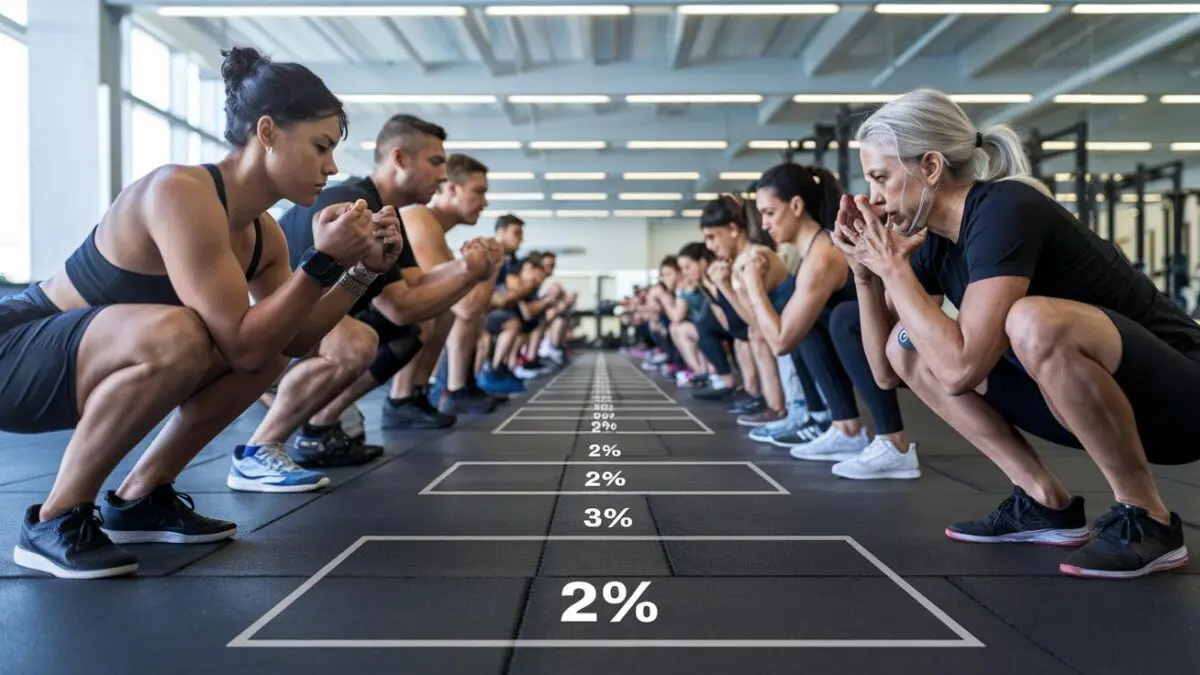
Recent analyses suggest that runners who adopted this Kenyan footstrike drill over a consistent training period recorded improved cadence rates without a corresponding increase in heart rate. This indicates an enhancement in their running economy, an essential factor for long-distance runners.
Improved running economy allows athletes to use less energy to maintain a given pace and can significantly extend their endurance capabilities. This is particularly beneficial in competitive settings where even minor enhancements can lead to substantial differences in performance.
Comparative studies and results
A comparative study involving athletes who trained with the footstrike drill and those who did not showcased that the former group improved their average cadence by approximately 4% while maintaining the same heart rate levels.
This statistic is particularly notable considering that increased cadence is generally associated with higher energy expenditure, which naturally tends to raise the heart rate.
Broader implications for runners worldwide
The success of the footstrike drill in Kenyan camps has piqued the interest of running coaches and enthusiasts worldwide. Integrating such techniques into regular training regimes could potentially revolutionize the approach to running mechanics globally.
As more athletes and coaches look to Kenyan runners for inspiration, incorporating elements from their training methods offers a promising avenue for improvements in speed, efficiency, and endurance.

Practical application for amateur runners
For amateur runners seeking to improve their performance, integrating the footstrike drill into their routine could be a game-changer. The drill can be practiced with minimal equipment and does not necessarily require professional supervision.
- Start by focusing on light, quick steps during short sprints.
- Gradually increase the duration and intensity of the drills.
- Consistently monitor heart rate to ensure it remains stable.
Adopting these practices could lead to significant improvements in both speed and endurance, fundamentally altering one’s running capabilities.
Conclusion
The footstrike drill, a technique refined in the high-altitude training camps of Kenya, offers substantial benefits for runners aiming to improve their cadence without increasing their heart rate. This method, which emphasizes efficiency and economy in running, is now influencing training strategies worldwide. For enthusiasts and professional athletes alike, understanding and applying this technique could mark a significant shift in their athletic performance.




Has anyone tried this drill and noticed actual improvements? Curious to see if it’s as effective as claimed! 😊
Wow, sounds like magic! Can we really improve cadence without affecting the heart rate? Count me skeptical. 🤔
Sounds promising, but I wonder how quickly one can see results from this technique?
Is there a video tutorial for this drill? I’m having a hard time picturing the exact movements.
4% improvement might not sound much, but in competitive running, that’s huge! Thanks for sharing this.
Great article! I’ve been looking for ways to improve my running efficiency without overstraining.
Can someone explain why Kenyan runners are so dominant? Is it just drills like these or something more?
Are there specific shoes recommended for this type of footstrike drill? Would love some recommendations! 😉
I’m a bit skeptical about these results. Has the study been peer-reviewed?
My coach has been preaching this for years! Finally, it’s getting the attention it deserves.
Heart rate stability plus efficiency improvement sounds too good to be true. What’s the catch?
Can’t wait to try this out. If it works, it’ll be a game-changer for my training routine!
Been doing something similar, but not seeing much difference. Maybe I’m doing it wrong? 😕
Would this drill work for someone over 50? Asking for a friend who’s into marathons.
Excellent breakdown of the footstrike drill. Very informative and well-written!
I read that altitude plays a role in training effectiveness. How can sea-level dwellers compensate?
Love the focus on efficiency. It’s all about smarter, not harder, training methods!
Just tried the drill this morning. Harder than it sounds but feeling optimistic about improvements! 😄
Is it possible to integrate this drill into a treadmill workout or is it better suited for outdoor running?
Thanks for highlighting Kenyan techniques. Always interesting to learn from the best. 👍
I’ve heard mixed reviews about changing footstrikes. Could this potentially cause injuries?
Anyone else find these drills a bit too technical? I miss good old-fashioned running.
Great article! But, how often should one practice this drill weekly?
Interesting technique, but I’d like to see more data before fully committing to this method.
If this is so effective, why isn’t every competitive runner already doing it?
Thanks for the detailed explanation! Helps amateurs like me understand the nuances.
Would incorporating these drills for kids in track and field be advisable or too soon?