

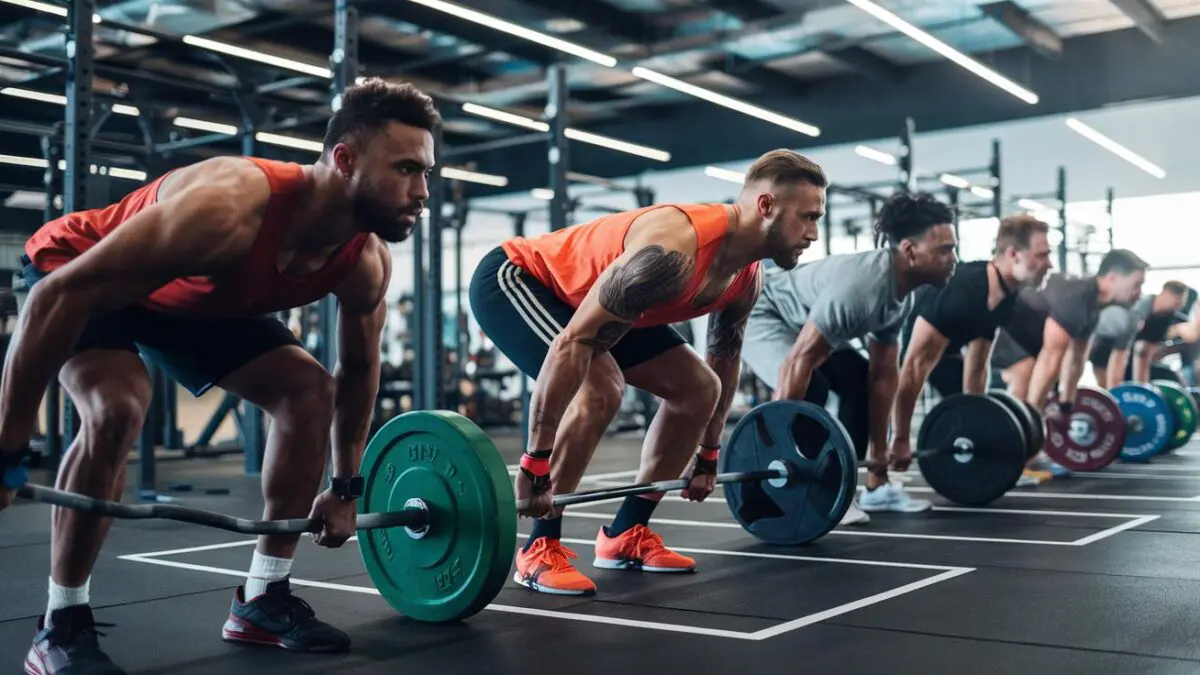
Emerging research challenges long-standing beliefs about strength training, particularly the effectiveness of using lighter bars to increase athletic speed. This shift in understanding may redefine training routines for athletes across various sports, offering a fresh perspective on achieving peak performance.
Revising traditional training methods
Historically, strength training has emphasized heavy lifting to build muscle and power. However, new findings suggest that using lighter weights at higher speeds can be more beneficial for developing quickness and explosive strength in athletes. This approach not only challenges conventional wisdom but also highlights a potential shift in training strategies that could benefit sprinters, football players, and other sports professionals.
Impact on athletic performance
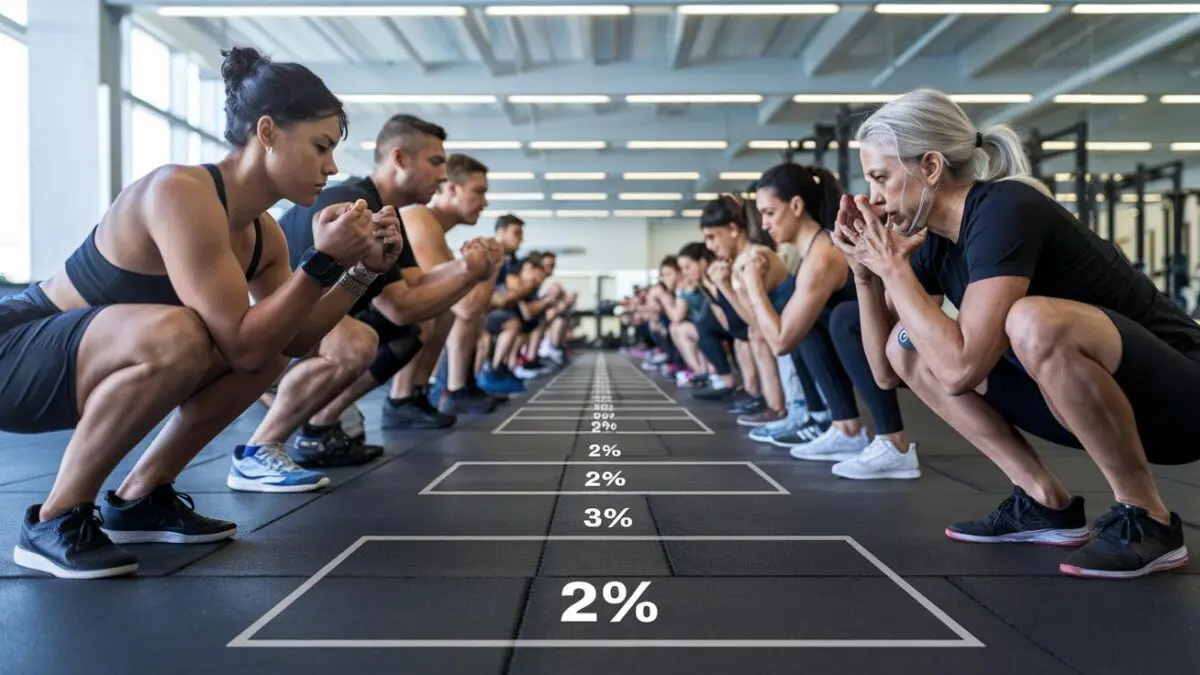
Studies indicate that athletes training with lighter bars can increase their speed by up to 10% compared to those focusing on heavy singles. This significant improvement is attributed to the enhanced neuromuscular adaptation that lighter weights facilitate, allowing for quicker muscle response and faster overall movement.
Case studies and real-world applications
Several high-profile training facilities have begun integrating lighter weights into their programs. Coaches and trainers report observable improvements in speed and agility during competitive play, underscoring the practical benefits of this training modification.
Scientific backing and expert opinions
Research from sports science institutions has corroborated the effectiveness of lighter weight training. Experts in biomechanics and athletic training advocate for a balanced approach that includes both heavy and light weights, tailoring regimens to the specific needs and goals of individual athletes.
Contrasting views
While the trend toward lighter weights gains momentum, some traditionalists remain skeptical, citing the longstanding success of heavy weightlifting protocols. This debate continues to evolve as more data becomes available, with each camp defending their methodologies with fervor.
Practical guidelines for athletes and coaches
For those considering integrating lighter bars into their training, it is recommended to start gradually, increasing the frequency and intensity of light-weight sessions while monitoring performance and any physical responses closely. Adjustments should be made based on individual progress and specific athletic demands.
- Review current training regimen
- Integrate lighter weights incrementally
- Regularly assess performance impact
- Adjust based on feedback and results

Looking ahead: the future of strength training
As research continues to unfold, the dialogue around optimal strength training methods will likely grow more nuanced. The adoption of lighter weights could see a rise as evidence mounts in favor of its benefits, potentially leading to more personalized and scientifically-backed training programs that could revolutionize athletic performance.
This evolving paradigm underscores the importance of staying informed and flexible in training approaches, allowing both new and seasoned athletes to maximize their potential through scientifically validated methods.




Does this mean we should completely abandon heavy lifting? 🤔
Finally, someone said it! I’ve always thought lighter weights felt better for my speed training.
Interesting article, but I’m skeptical. How can light weights really substitute the gains from heavy lifting?
Can someone explain how lighter weights impact muscle growth differently?
Lighter bars for speed? That’s a game-changer! 😃
I’ve tried both methods and honestly, lighter weights keep me less fatigued.
How does this align with sport-specific training like for powerlifters or bodybuilders?
What’s the minimum weight considered “light” in this context? Need more details here!
Could this approach reduce injury rates compared to heavy lifting?
Time to adjust my training regimen. Thanks for the insight!
Is there a recommended ratio of light to heavy training sessions per week?
Great read, but more case studies would help solidify this new approach.
Where can I find more detailed research papers on this topic? Links would be helpful.
So, are traditional coaches wrong all this time? That’s hard to swallow.
Not convinced yet. Seen too many benefits from lifting heavy over the years.
Would love to hear what professional athletes think about this shift. Any interviews coming up?
Lighter and faster sounds ideal for my soccer training. Excited to try this! ⚽🚀
Any side effects or drawbacks to this method we should be aware of?
Missing the scientific data here. The percentage increases are nice, but what about the sample size and study duration?
What about endurance athletes? Does this apply to them as well? 🏃
Huge if true! Can’t wait to discuss this with my training group.
I guess it’s time to mix things up in the gym. Let’s see how this goes!
Always good to see training myths challenged. Keeps the field dynamic and innovative.
As a coach, I’m always looking for ways to improve training efficiency. Thanks for this!
This sounds promising but changing established routines is always a risk. 🤷♂️
Curious about the long-term impacts of this training strategy. Any follow-up studies planned?
Has anyone here actually tried this and seen positive results? Real-world feedback needed!