

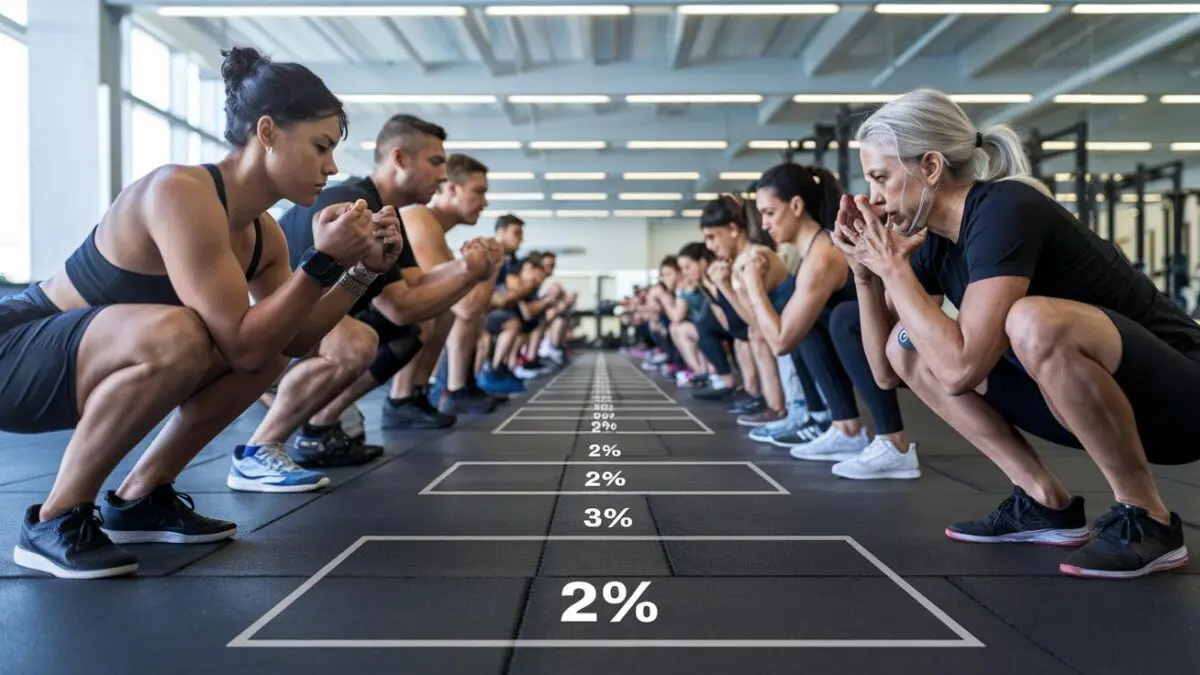
This finding highlights not only the subtlety of biomechanical adjustments but also their profound impact on athletic performance and injury prevention. Minor modifications in footwear, often overlooked in everyday activities, can dramatically influence the way our bodies move and function during exercise. This revelation comes at a time when both casual exercisers and professional athletes are seeking ways to enhance performance while reducing the risk of injury.
Impact of shoe drop on squat depth
A comprehensive study recently revealed that a 2% reduction in shoe drop can lead to a safer, deeper squat position. This adjustment helps in aligning the knees and hips more effectively, reducing strain on the lower back and enhancing overall stability.
The research, which involved biomechanical assessments of participants across various exercises, pinpointed how even slight changes in the angle of the foot can alter the entire kinetic chain of movement. This has significant implications for weight training, particularly in exercises like the squat, which require precise form for maximum benefit and minimal risk.
Enhanced safety and performance
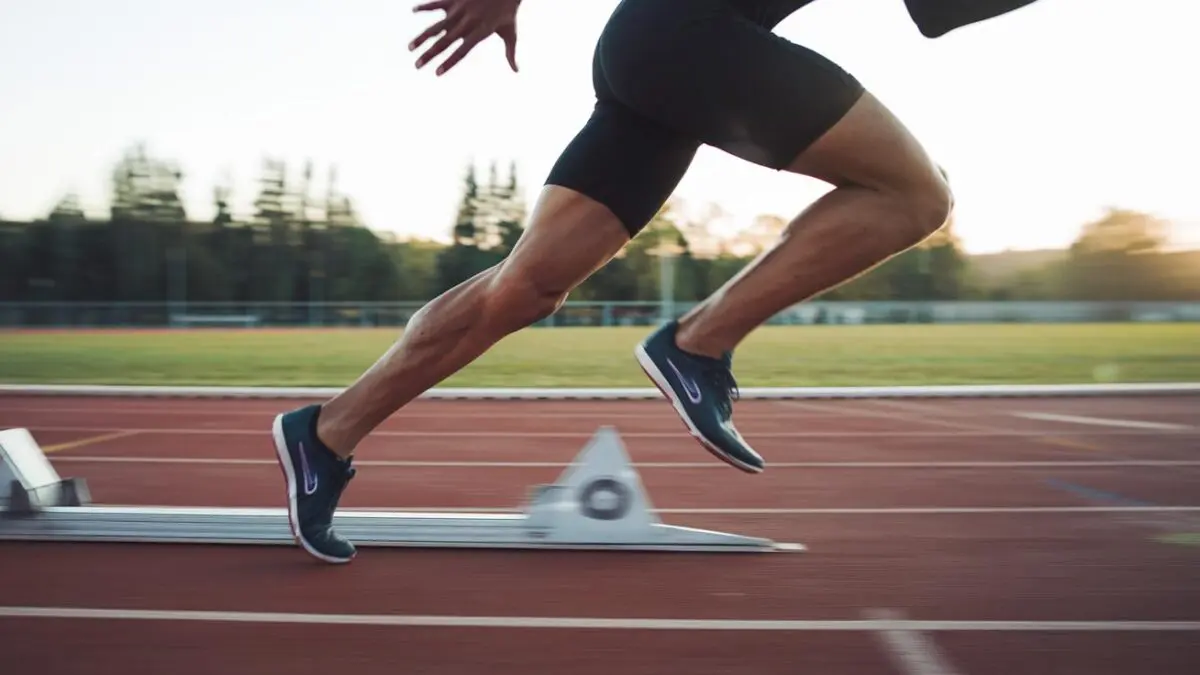
By achieving a deeper squat, athletes can increase the engagement of core and leg muscles, leading to improved strength and performance. The modified shoe drop facilitates a more natural squat posture, which distributes weight more evenly through the feet, reducing pressure on the toes and enhancing balance.
This biomechanical optimization not only boosts performance but also minimizes the risk of injuries such as ACL tears and patellar tendonitis, which are common in high-intensity physical activities. The enhanced safety is a crucial benefit, particularly for those involved in competitive sports and fitness regimes.
Broader implications for athletic footwear design
The findings from this study could steer new trends in athletic footwear design, focusing on functional rather than purely aesthetic attributes. Shoe manufacturers might consider these biomechanical insights to develop products that support healthier movement patterns and offer protection against injuries.
As consumers become more aware of how the right footwear can prevent injuries and enhance performance, demand for scientifically backed shoe designs is likely to increase. This shift could lead to a wider range of specialized footwear options catered to different types of sports and activities.
Choosing the right shoes for squat exercises
Selecting the appropriate footwear for squatting exercises involves understanding one’s own body mechanics and exercise goals. This study sheds light on the importance of considering shoe drop as a key factor in this decision.
- Assess personal comfort and stability in various shoe types.
- Consult with fitness professionals to understand how different shoe designs can affect squat posture.
- Consider trying different shoe drops to find the optimal configuration that enhances squat depth and safety.
In conclusion, while the choice of footwear might seem a minor detail, its impact on exercise mechanics and safety is profound. The recent findings about shoe drop and squat mechanics serve as a valuable guide for anyone looking to optimize their training outcomes while safeguarding against injuries. By making informed choices about athletic footwear, individuals can significantly enhance their exercise efficacy and longevity in sports.




Interesting read! How significant is the change in injury rates with the 2% drop?
Can anyone recommend a good brand that offers this type of shoe drop? 😊
I wonder if this would help with my chronic knee pain during squats.
Is there a particular age group that benefits more from this adjustment?
Finally, some science behind shoe design! Thanks for sharing this.
Does the study mention anything about the impact on ankle stability?
Great article! But, how do I measure shoe drop on my own shoes?
Seems like a game changer for athletes! 🚀
Are there specific brands already incorporating this research into their designs?
What about people with flat feet? Does the shoe drop still help?
Could we get more details on the biomechanical assessments used in the study?
Would love to know if different materials in the shoe sole affect the results mentioned.
So, does this mean higher heel shoes are bad for squatting?
Can we expect more shoe designs focusing on performance rather than looks now? 🤔
I tried changing my shoe drop, but it felt uncomfortable. Any advice?
How quickly do people notice improvements in their squat mechanics?
Is there any data on how long these shoes maintain their optimal drop before needing replacement?
Awesome insights! Going to share this with my gym buddies. 💪
Curious if this study has been peer-reviewed? Important to know its credibility.
Do you think this could change how trainers teach squatting techniques?
Are there any follow-up studies planned to further explore this topic?
Ths is cool and all, but isn’t 2% pretty minimal?
Thanks for the detailed explanation! Helps a lot in choosing the right shoes. 😄
What if I’m just a casual gym-goer? Should I still consider changing my shoes?
Very informative, but a bit technical for a layman. Can you simplify it a bit?
I’m a bit skeptical. Shoes alone can’t be a magic fix for poor form, right?
Could these findings apply to other types of exercises or just squats?
Love the depth of this study! It’s rare to see such focused research on footwear. 👟
Has there been any feedback from professional athletes on this change?